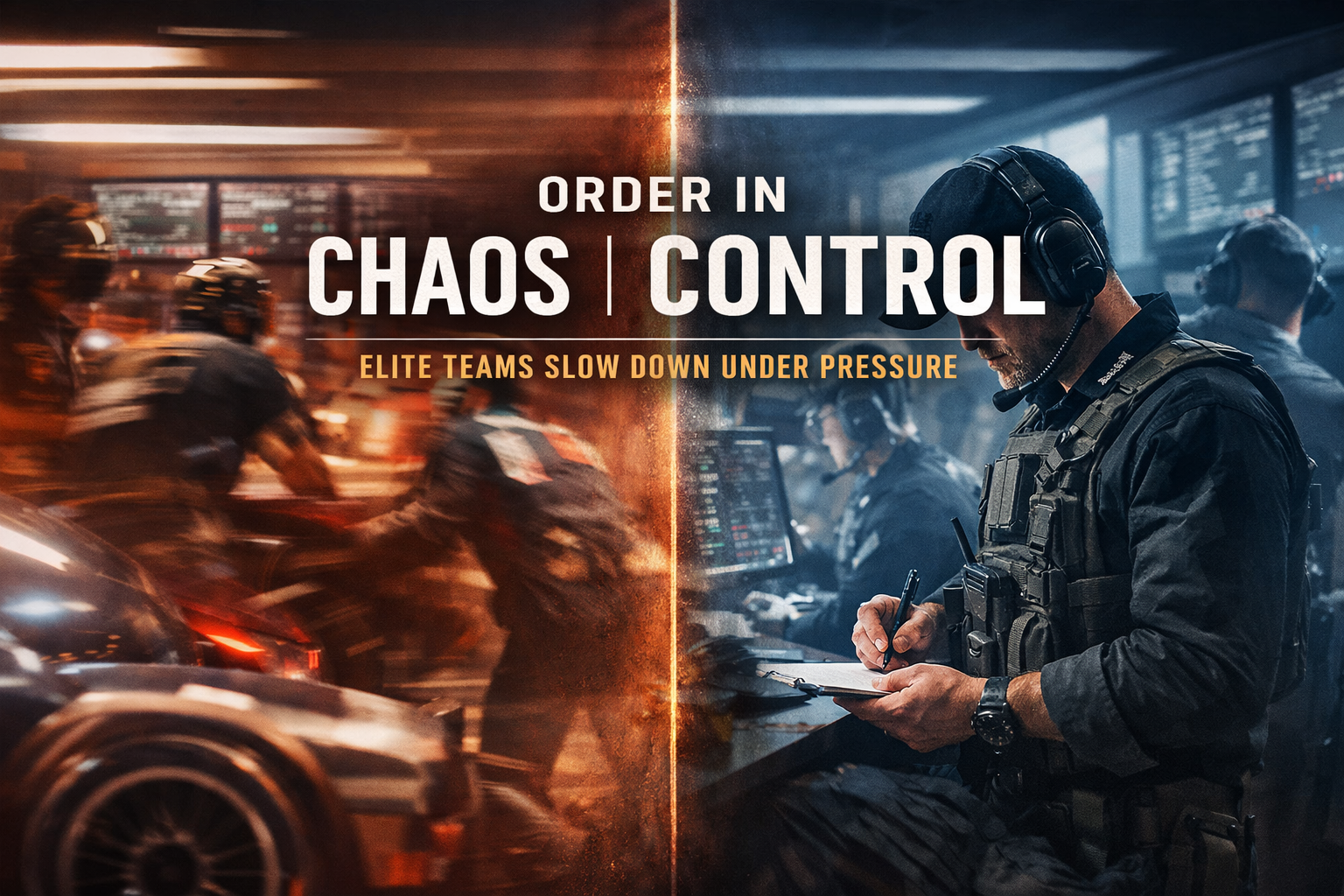
Order in Chaos: Why Elite Teams Slow Down When Pressure Spikes
When pressure spikes, most teams instinctively try to move faster.
Elite teams do the opposite. They slow down just enough to regain clarity, restore coordination, and prevent small mistakes from cascading into failure in high-tempo environments.

The Illusion of High Performance: When a Team Thinks They’re Better Than They Are
Teams rarely fail because of one big mistake.
They fail because they believed they were performing at a higher level than they actually were, and no one challenged that illusion.
Misalignment hides in plain sight:
Egos over standards.
Chaos disguised as “urgency.”
Internal conflict written off as “personality differences.”
And when real pressure hits, things unravel fast.
I’ve seen it in policing, in military environments, in motorsport, and in corporate sectors, the moment a team stops being honest with itself, performance is no longer real. It becomes theatre.
Here’s an article I’ve written on the illusion of high performance, and what happens when a team thinks they’re operating at an elite level…but can’t hold their calm when it matters most.
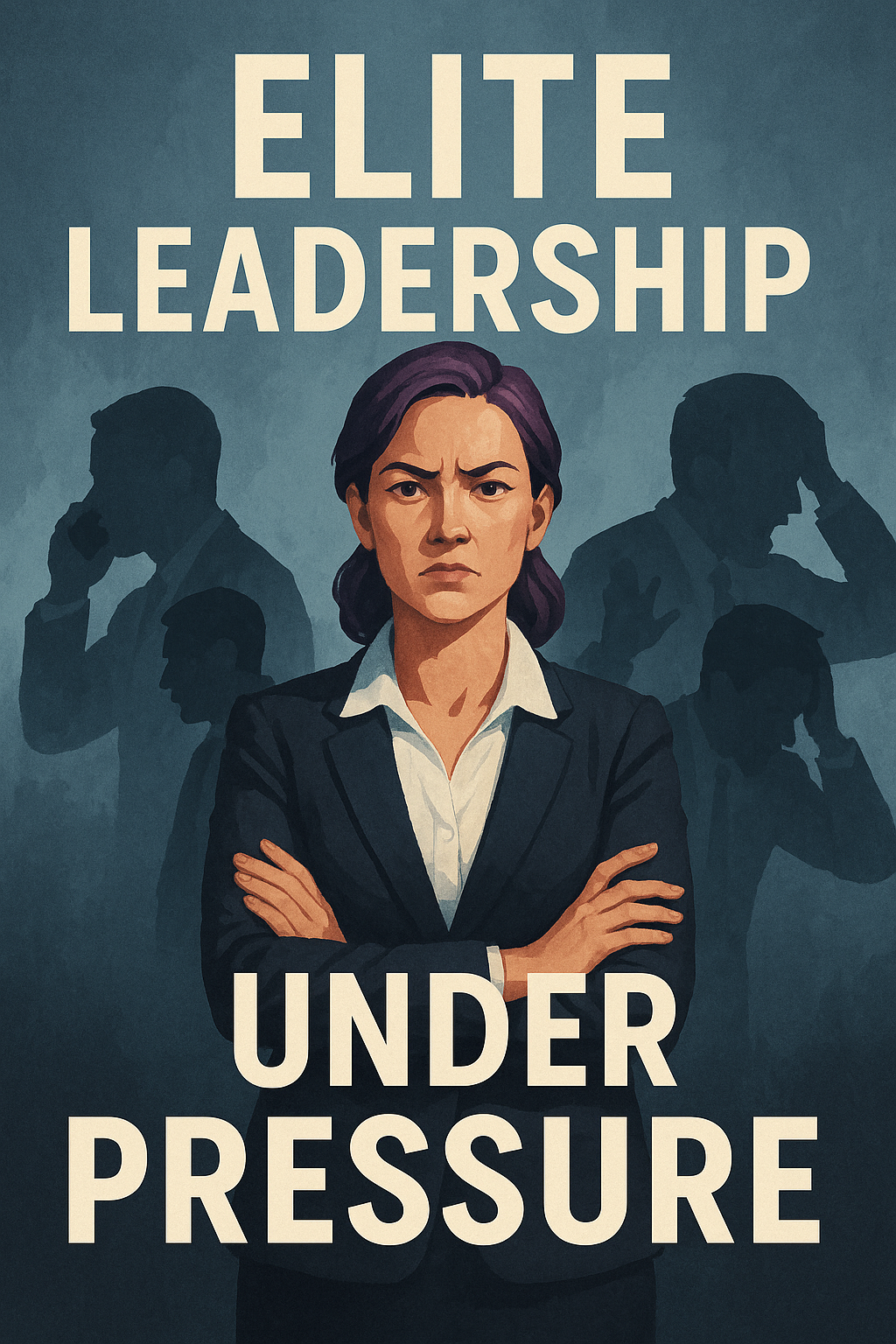
Elite Leadership Under Pressure
Pressure exposes leadership. In high-stakes environments, leaders either transmit calm or amplify chaos, and the difference is contagious. Drawing on neuroscience and real-world experience from military, policing, motorsport, and executive environments, this article explores how elite leaders regulate emotion, dominate decision-making, and anchor teams under stress. Calm isn’t a personality trait, it’s a trained capability.